Porcelain veneers.Lab-made, conservative.No guesswork.
A porcelain veneer is a thin ceramic shell, made in a dental lab and bonded to the front of a tooth to change its color, shape, or size. Dr. Eric Ennuson, DDS, places them for patients across metro Atlanta from his practice in Lawrenceville. He removes only what the porcelain needs to fit and last, and you approve the design before anything permanent happens.
What porcelain changes.
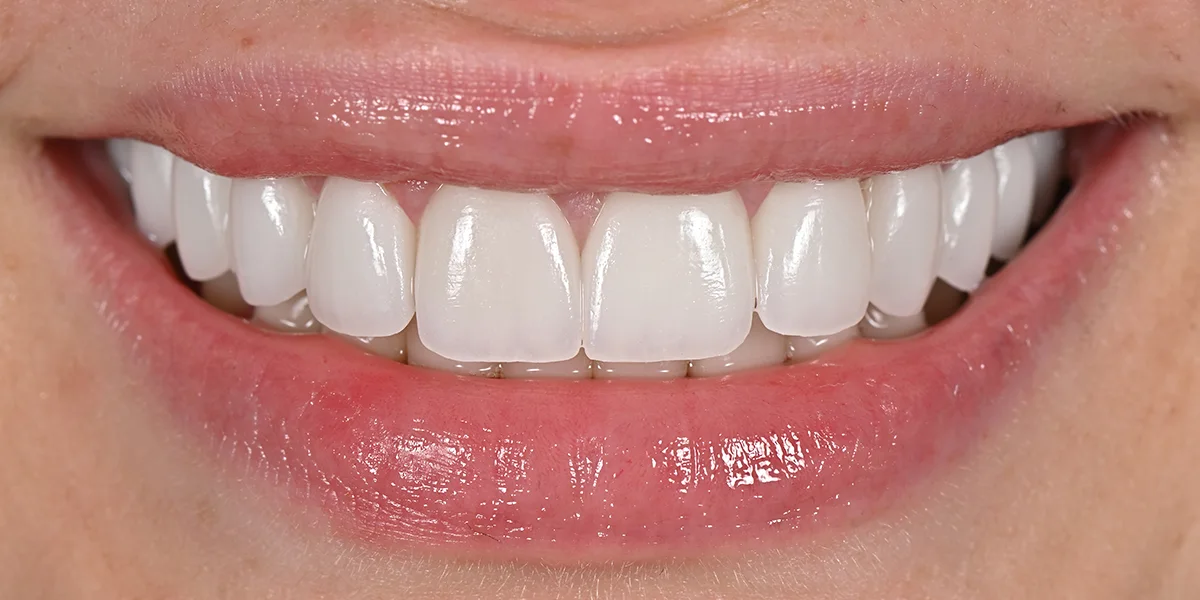
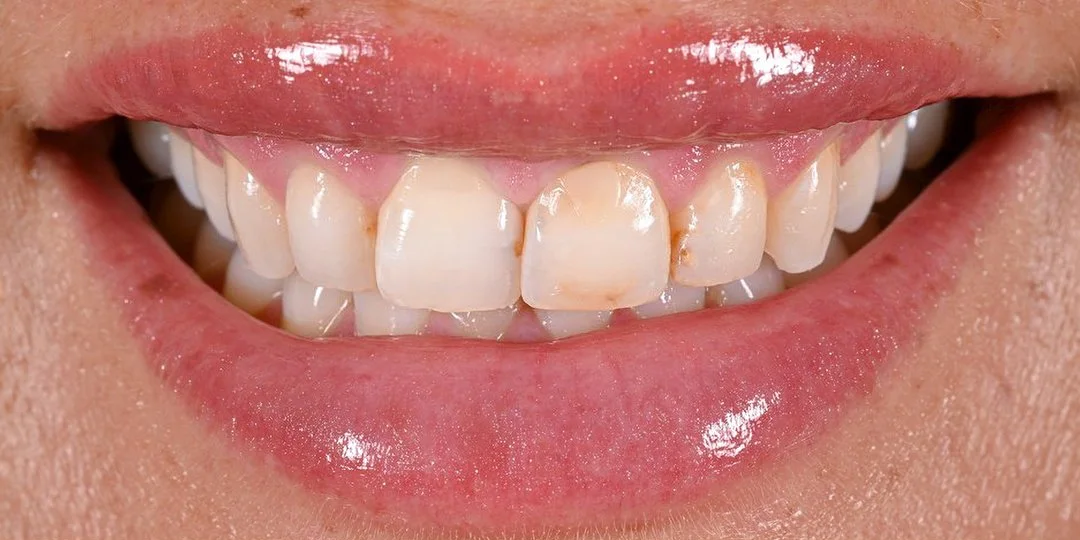
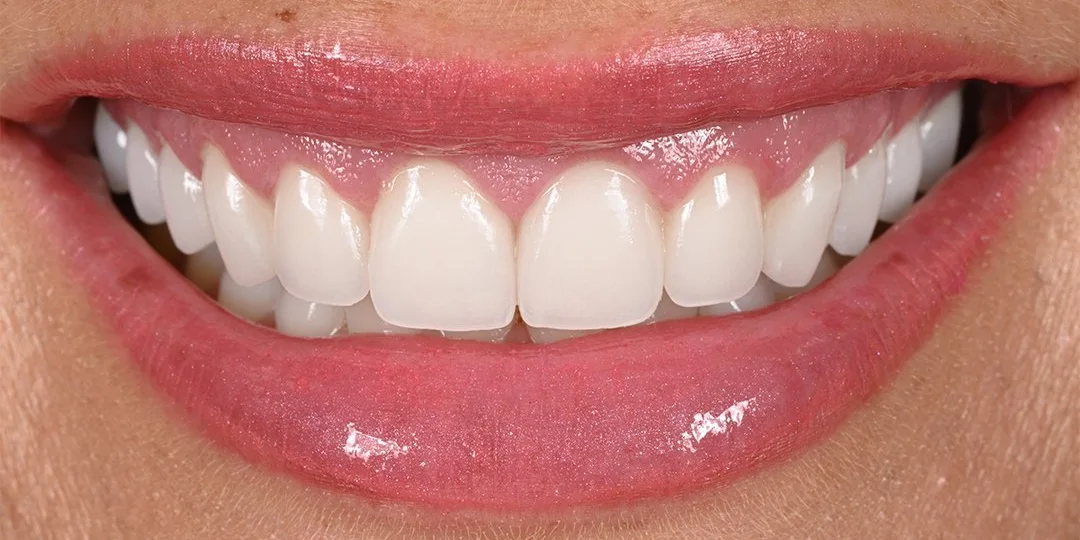
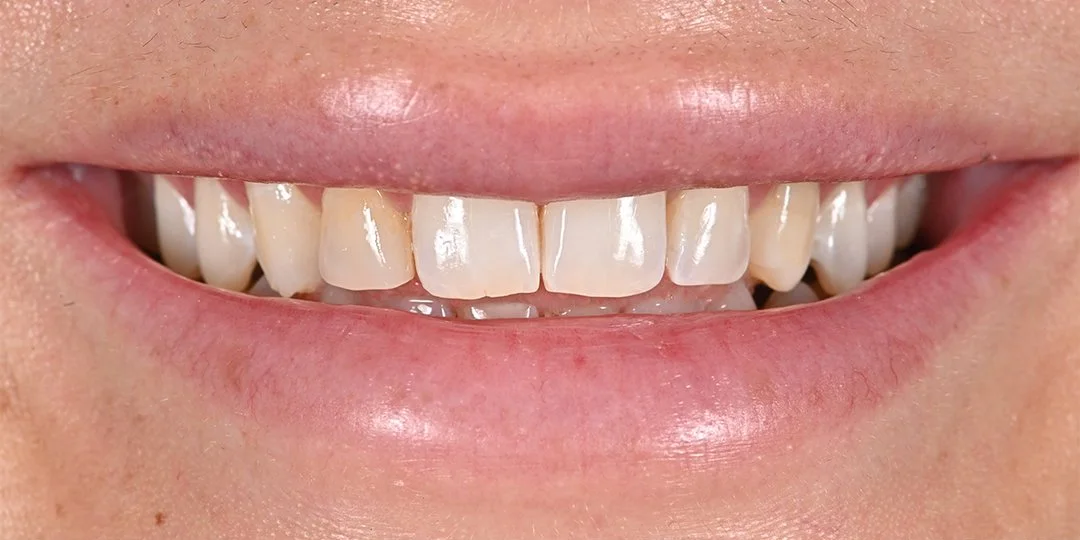
Shade, surface, and the edges that catch light — on the teeth that show when you smile. Drag from before to after; the back teeth stay as they are, because that is where veneers stop.
Who veneers suit, and who should wait.
Veneers change how healthy teeth look. They do not treat disease, and bonding porcelain over a problem only hides it. The exam decides which list you are on.
Usually a good fit
- Stains whitening cannot lift, including tetracycline and fluorosis marks.
- Chips, worn edges, and uneven lengths on otherwise sound teeth.
- Gaps and small or uneven teeth you would rather not treat with braces.
- Mild crowding or rotation where the bite itself is healthy.
- Old bonding or veneers that have stained, chipped, or aged.
Something else comes first
- Gum disease or decay. Both are treated before any cosmetic work.
- Heavy grinding or clenching. Possible, with a night guard built into the plan.
- Significant crowding or bite problems. Aligners first, then veneers on straight teeth.
- Very little enamel left. A crown may protect the tooth better than a veneer.
- Color is the only concern. Professional whitening is cheaper and takes nothing away.
Three to four visits, in order.
Consultation and planning are often the same appointment. Nothing permanent happens until preparation, and porcelain is not made until you have worn the design.
- 01

Consultation
Start with your photos. Photography, facial analysis, a gum health check, and an honest answer to whether veneers are right for you at all.
- 02

Smile planning
Shade chosen against your skin in daylight, a wax-up preview of the design, and the full price in writing.
- 03
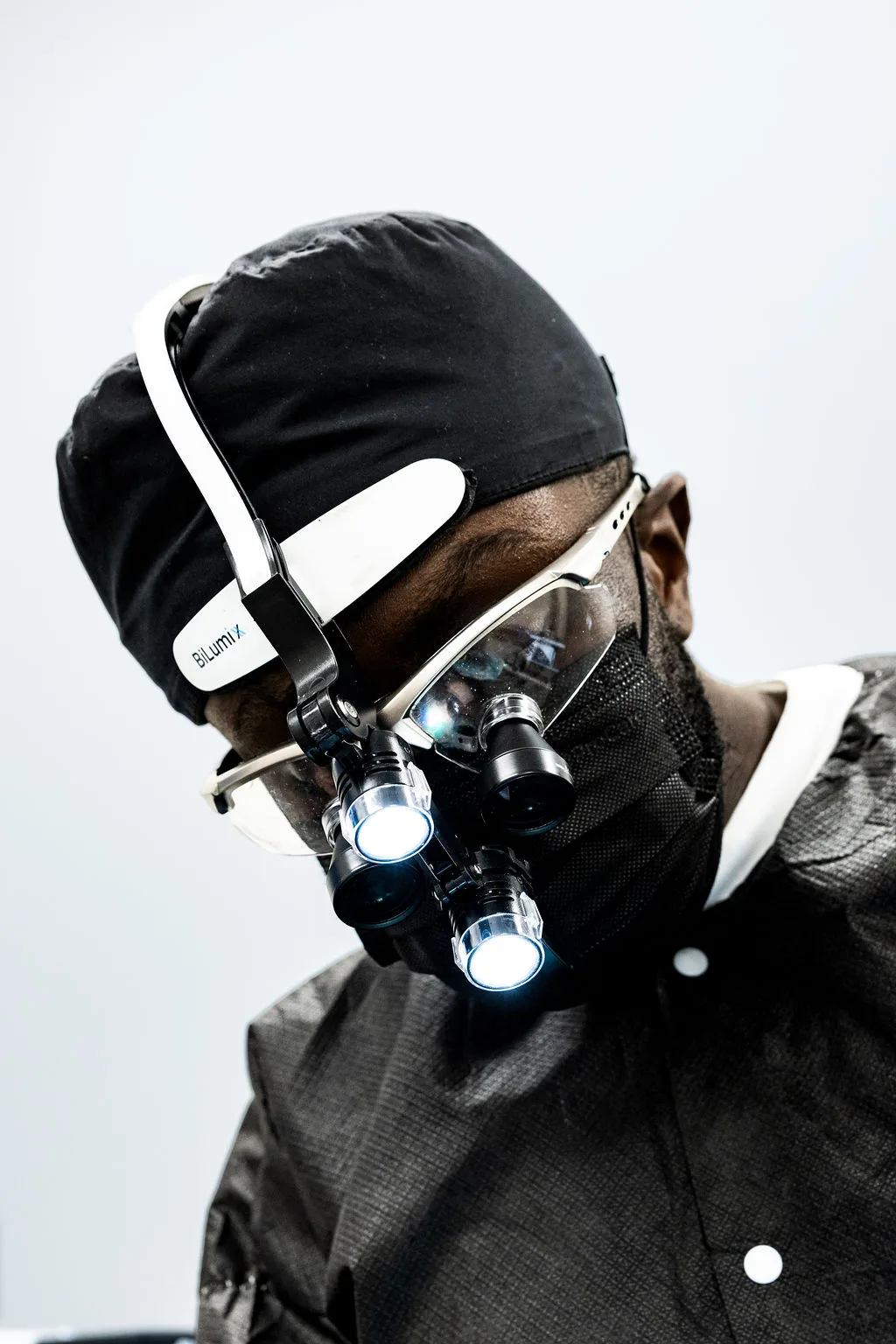
Prep and temporaries
Conservative preparation, fully numbed. You leave the same day wearing temporaries shaped like your final design.
- 04
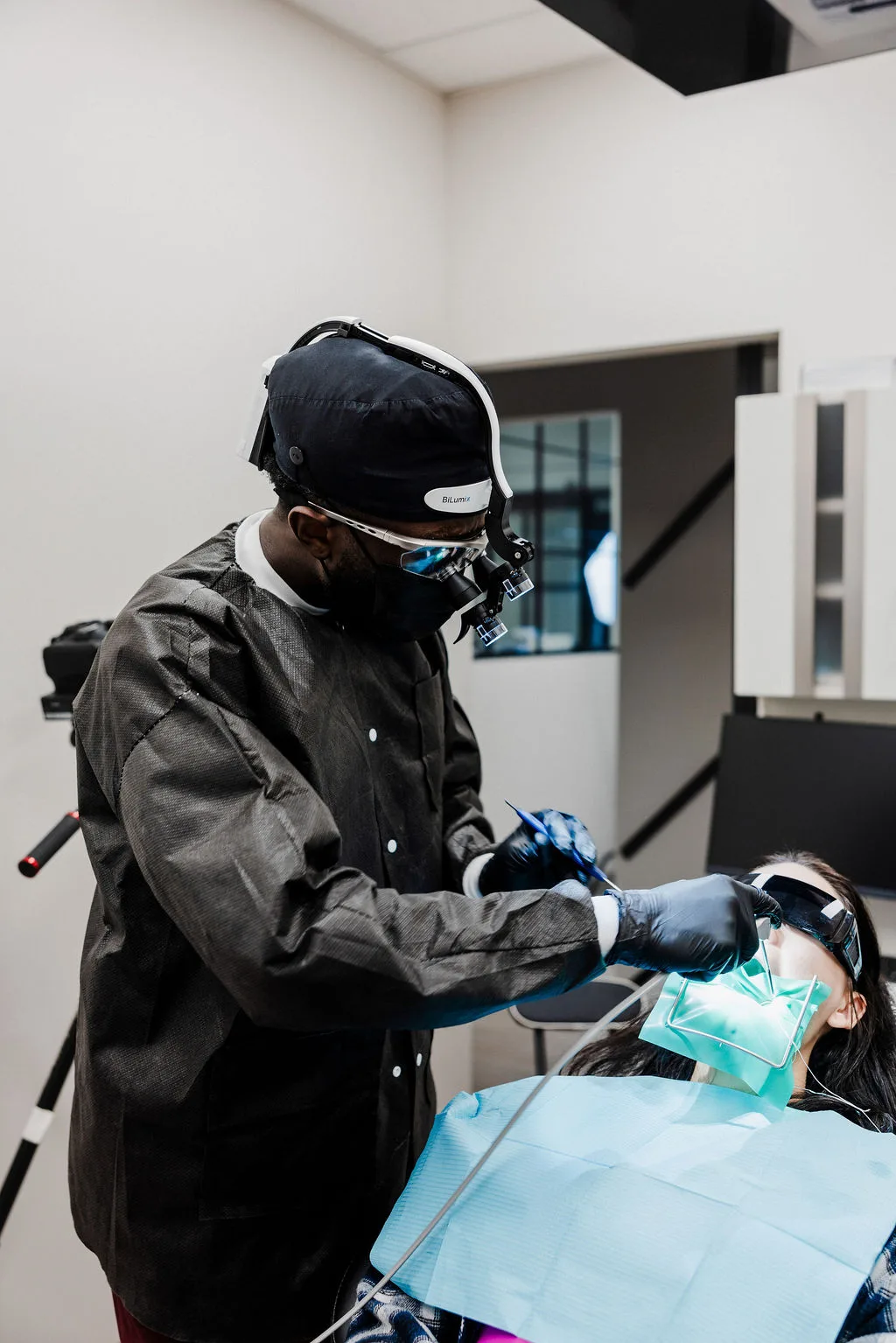
Final placement
Your porcelain is bonded, the bite is refined, and you get a written care plan for the next ten to fifteen years.
How much tooth is removed?
Usually about half a millimeter of enamel from the front of the tooth, close to the thickness of a fingernail and close to the thickness of the porcelain that replaces it.
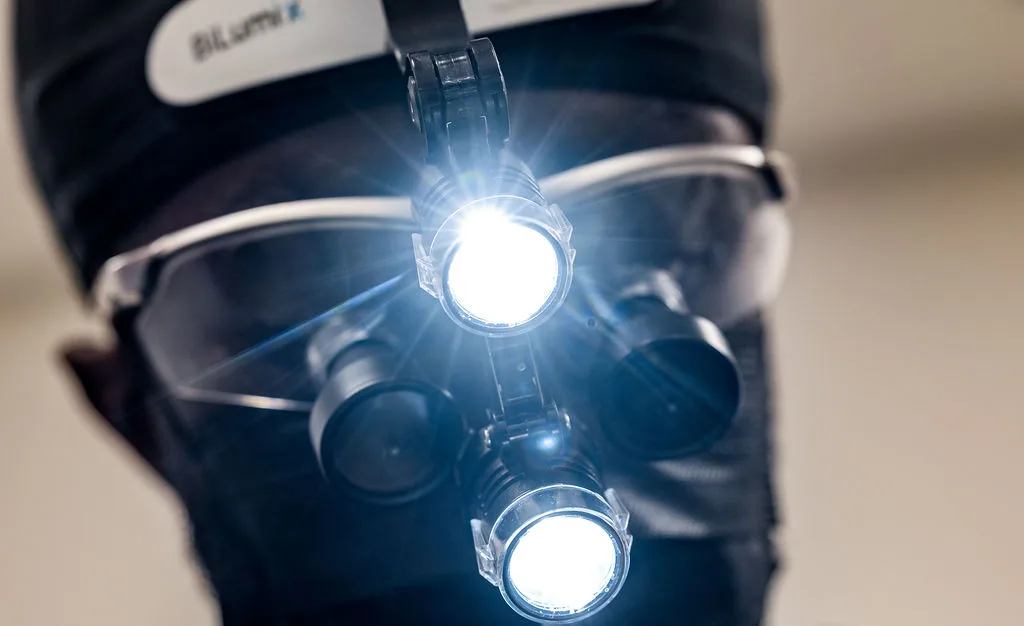
The amount depends on where your teeth sit now. A tooth that is set back or small may need almost nothing. A tooth that flares forward or is heavily stained needs a little more room so the result is not bulky or gray. Preparation is planned on the wax-up before it is ever done in the mouth, and it is carried out under magnification.
- Anesthesia
- Local anesthetic for preparation. You drive yourself home.
- Temporaries
- Placed the same day, shaped like the approved design, and worn while the lab makes the porcelain.
- Reversible?
- No. Once enamel is removed the tooth will always need a covering, which is why the design is proven first.
Veneers, or something else?
Veneers are one of five ways to change a smile. An honest consultation covers all of them, including the ones that cost less.
Why porcelain, not composite.
Composite veneers are sculpted chairside from filling material. Faster and cheaper, and they stain, chip, and usually need replacing in four to seven years.
Porcelain is made in a dental lab from your approved design. It resists stain, holds its polish, and typically lasts ten to fifteen years. We plan smiles in decades. If composite is genuinely the right call for your case, we will say so.
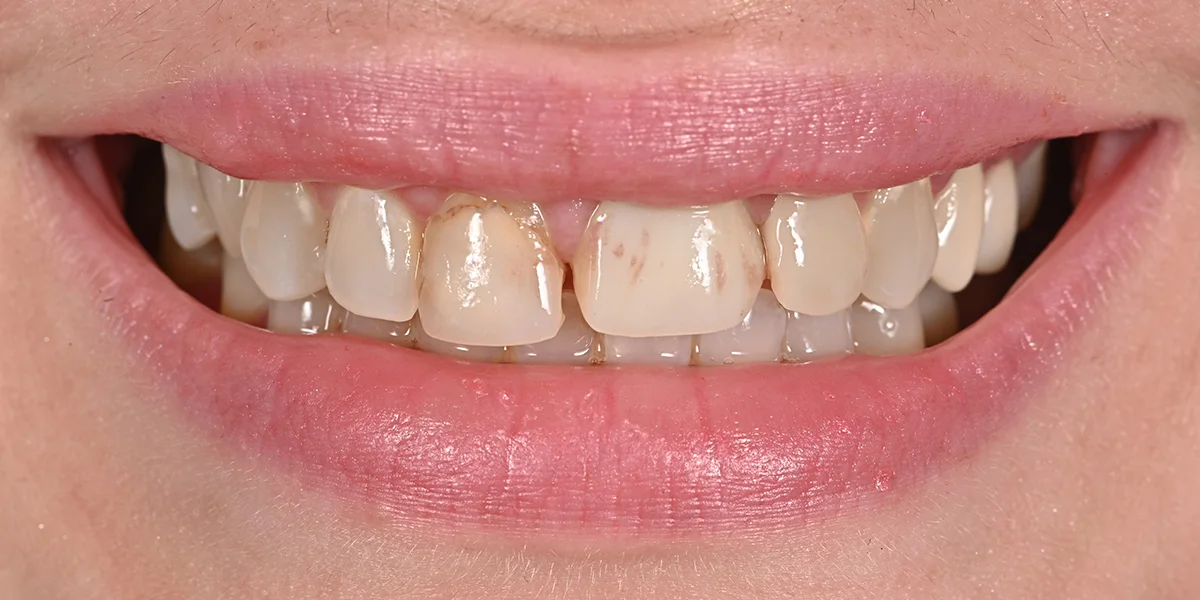
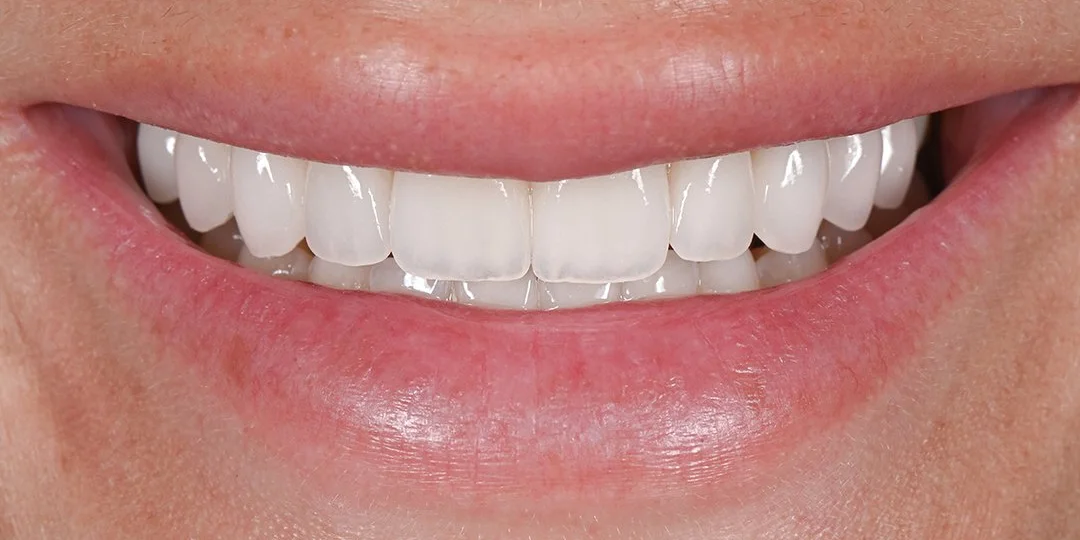
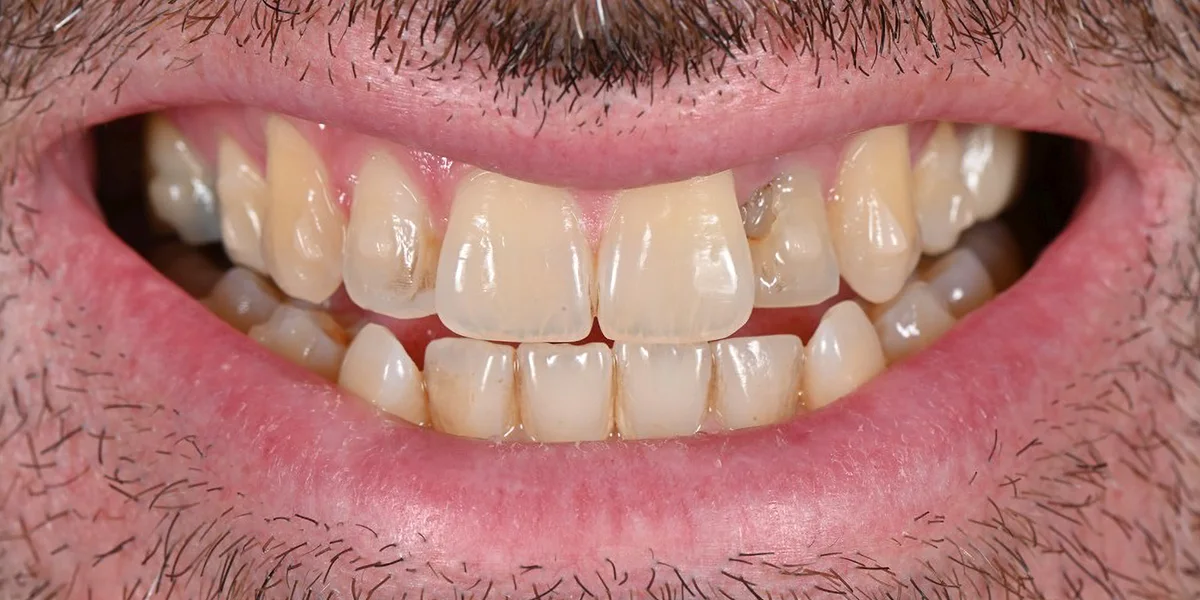
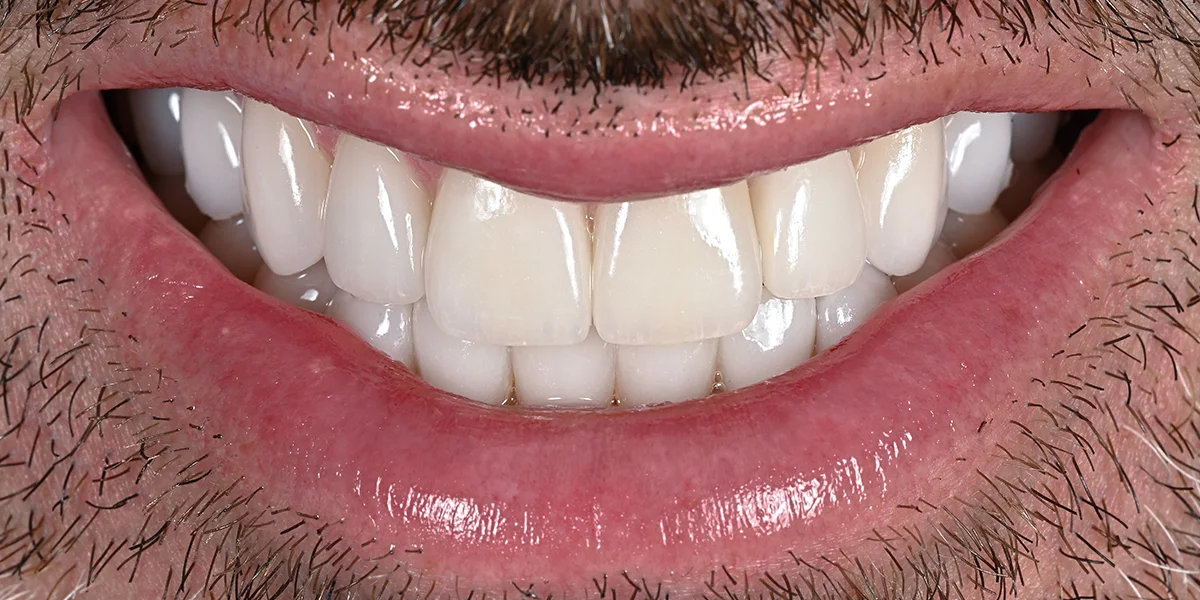
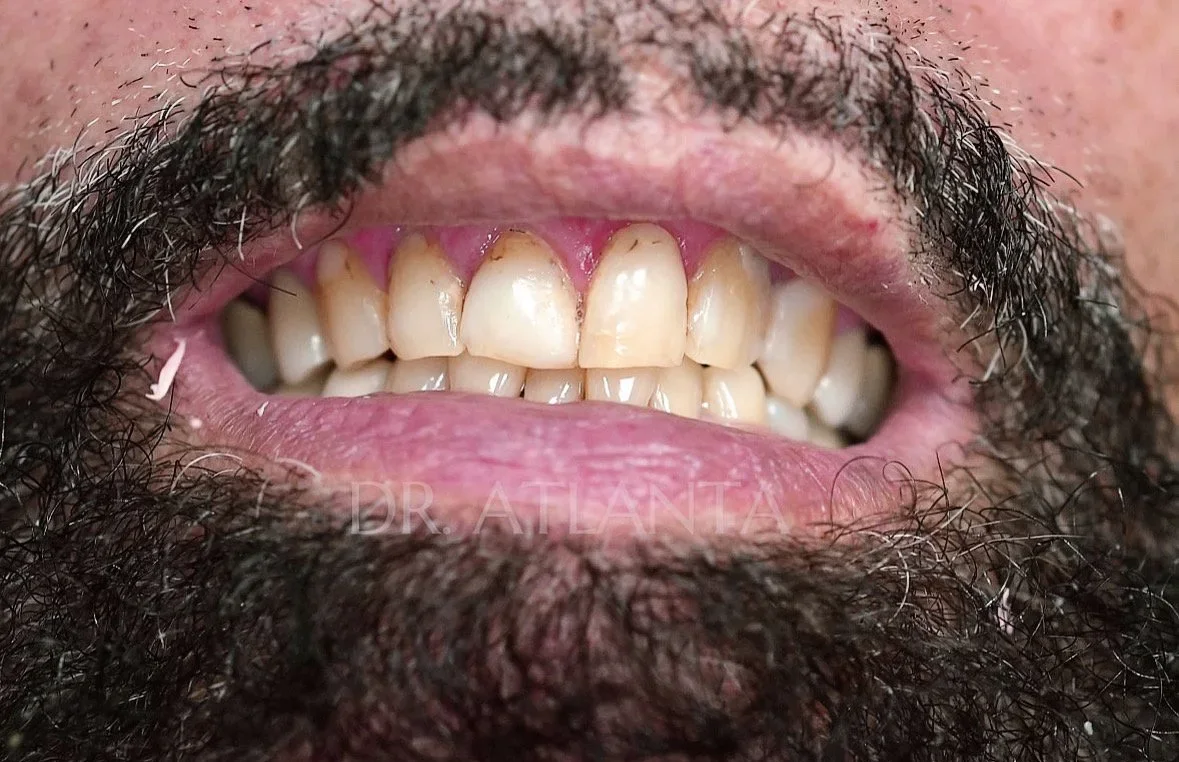
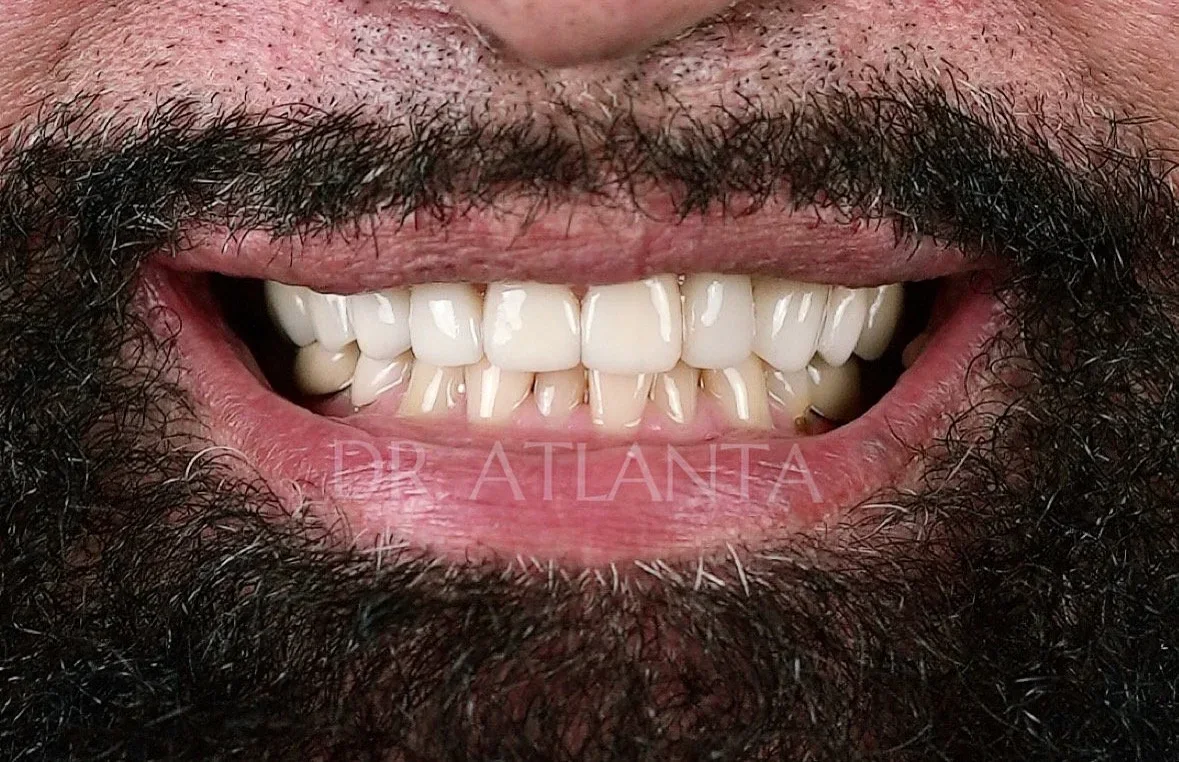
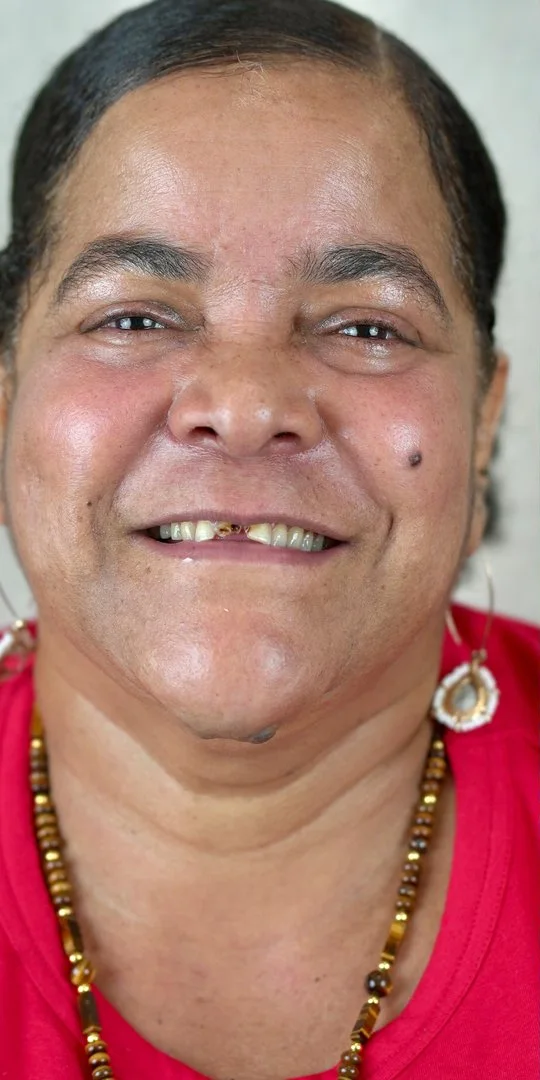
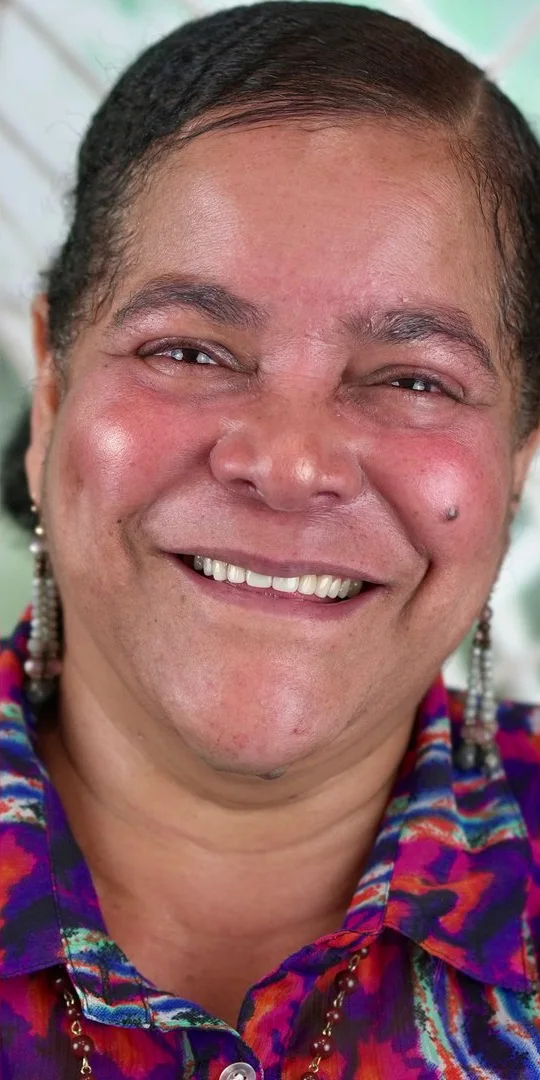
Porcelain, placed. Each case shows its before.
Living with veneers.
Care is ordinary. The few rules that matter are about force, not cleaning.
- Daily
- Brush and floss as usual with a non-abrasive toothpaste. Porcelain does not decay, but the tooth and gum around it can.
- At night
- If you clench or grind, wear the night guard. It is the single biggest factor in how long veneers last.
- Force
- No ice, pens, nails, or packaging. Bite hard foods with your back teeth.
- Color
- Porcelain resists stain and does not whiten. Whiten natural teeth before the shade is chosen, not after.
- Checkups
- Cleanings twice a year. Tell the hygienist you have veneers so the right polish is used.
- Later
- Veneers are replaced when they wear, chip, or the gum line changes. Conservative preparation now is what makes that straightforward.
Veneer questions, answered plainly.
Ask the rest in person. Evening and weekend consultations, no obligation: Get a 24-hour quote.
Do veneers hurt?
Preparation is done under local anesthesia. Most patients report pressure rather than sharp pain, and some sensitivity for a few days afterward is normal. You leave with temporaries the same day, so you are never walking around mid-treatment.
Do veneers ruin your teeth?
Veneers are not reversible, because a thin layer of enamel is removed so the porcelain sits flush. Done conservatively on healthy teeth, the tooth underneath stays alive and intact. The damage people see online comes from over-preparation, and from porcelain bonded over untreated decay or gum disease.
Do you shave the teeth down to pegs?
No. Teeth filed to pegs have been prepared for crowns, not veneers, and that is a hallmark of aggressive overseas work. Veneer preparation removes a thin layer from the front surface only, roughly the thickness of the porcelain that replaces it.
Can you get veneers without shaving?
Sometimes. No-prep or minimal-prep veneers can work when teeth are small, set back, or gapped. On teeth that are already full-sized or flared, adding porcelain without removing anything makes them look bulky. The photographs and wax-up show which case you are.
How long do porcelain veneers last?
Ten to fifteen years is typical with proper care. What shortens that: grinding without a night guard, nail biting, opening packages with your teeth. What extends it: a guard, normal brushing and flossing, regular cleanings.
Will they look fake?
Veneers look fake for two reasons: one flat shade of white, and shapes that ignore the face around them. Here the shade and translucency are matched to your skin and the shapes are designed from your facial photography.
What if I hate them?
You approve a wax-up you can hold, then wear trial temporaries shaped like the final design in your real life: talking, eating, photographs. The design is revised until you approve it. Porcelain is only made from a design you have already lived with.
How much do veneers cost?
A full-arch smile design is $8,999, published on the pricing page and the same everywhere. Smaller cases are quoted in writing at your consultation. Monthly payment options through third-party lenders is available, subject to credit approval.