Botched veneerscan usually be fixed.X-rays first. No lecture.
Veneers that hurt, fall off, look bulky, or were placed by someone without a license can usually be corrected. Dr. Eric Ennuson, DDS, repairs and replaces veneer work for patients across metro Atlanta, including work done by veneer techs and work done abroad. The first visit is an exam, X-rays, and an honest read on what can be saved.
Six signs veneers need attention.
Any one of these is worth an exam. Several together usually mean the fit, the bond, or the tooth underneath has a problem.
- 01
Gums that bleed or stay red
Veneer edges that sit too deep, overhang, or trap cement keep the gum inflamed. It does not settle on its own.
- 02
Veneers that loosen or fall off
Usually a bonding failure, a bite that was never adjusted, or porcelain glued over a surface that was not prepared for it.
- 03
Pain or sensitivity that lingers
Sensitivity for a few days is normal. Weeks of pain to cold, heat, or biting points to over-preparation, decay, or an irritated nerve.
- 04
A dark line or gap at the gum
The margin is open or the gum has receded from it. Bacteria and stain get in, and decay can start where you cannot see it.
- 05
Teeth that feel thick or push the lip
Porcelain was added without making room for it. Bulky veneers are hard to clean and change how you speak and bite.
- 06
A smell or taste you cannot brush away
Often trapped food or leaking cement under an edge. It is a sign of a gap, not of poor brushing.
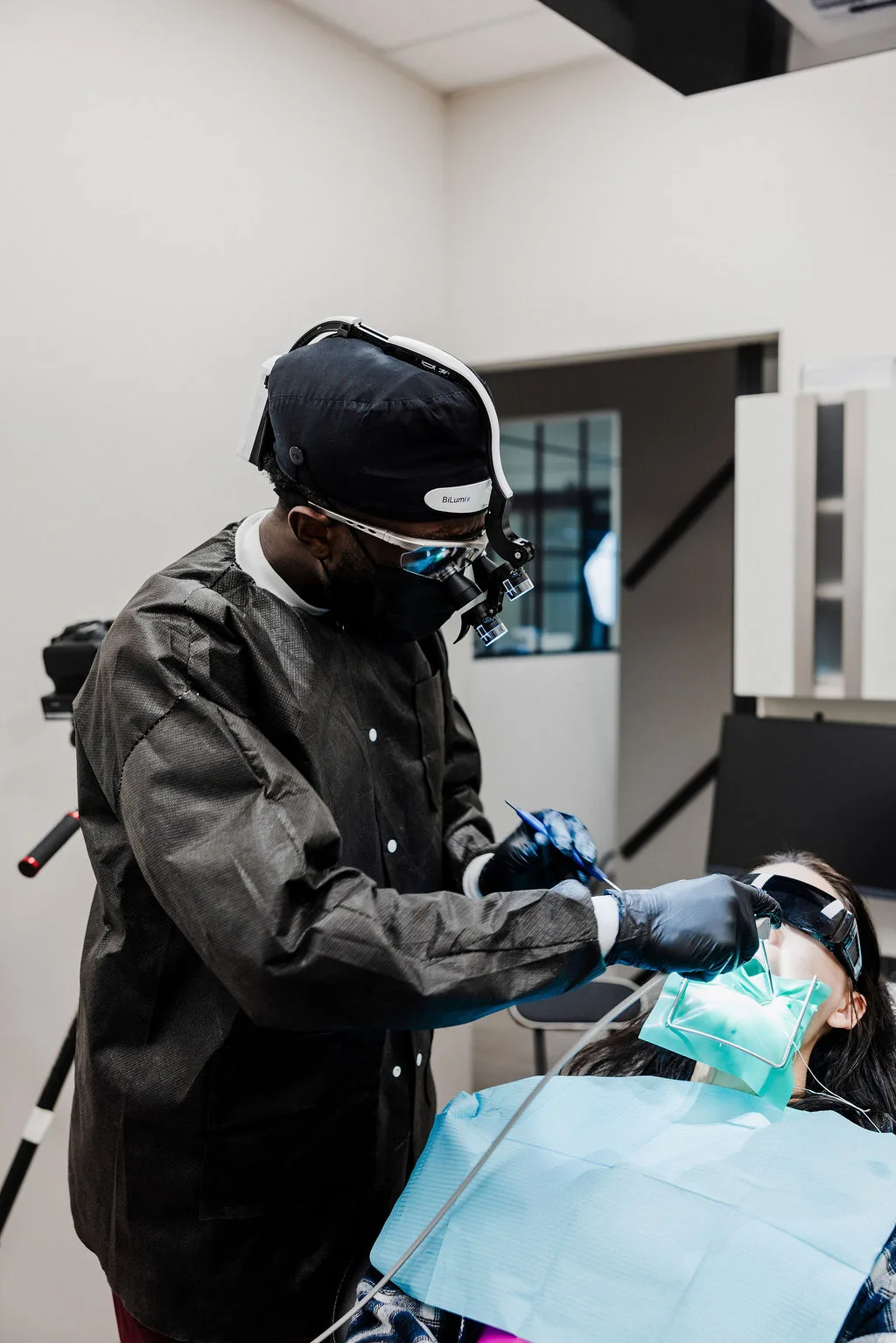
How veneer correction works.
- 1. Exam
- X-rays, a gum check, photographs, and a look at the bite. This shows what is under the porcelain: decay, how much enamel is left, whether nerves are healthy.
- 2. An honest read
- What can be kept, what has to be replaced, and what cannot be promised. If a tooth needs a crown or a root canal, you hear it here, not halfway through.
- 3. Health first
- Decay and gum inflammation are treated before any new porcelain. New veneers on unhealthy teeth fail the same way the old ones did.
- 4. Redesign
- A wax-up and trial temporaries, so you see and wear the corrected shape and shade before anything is made.
- 5. Placement
- Lab-made porcelain, bonded and adjusted to your bite, with a written care plan.
Repair, replace, or crown?
The answer comes from the tooth, not from a price list. These are the three routes and when each applies.
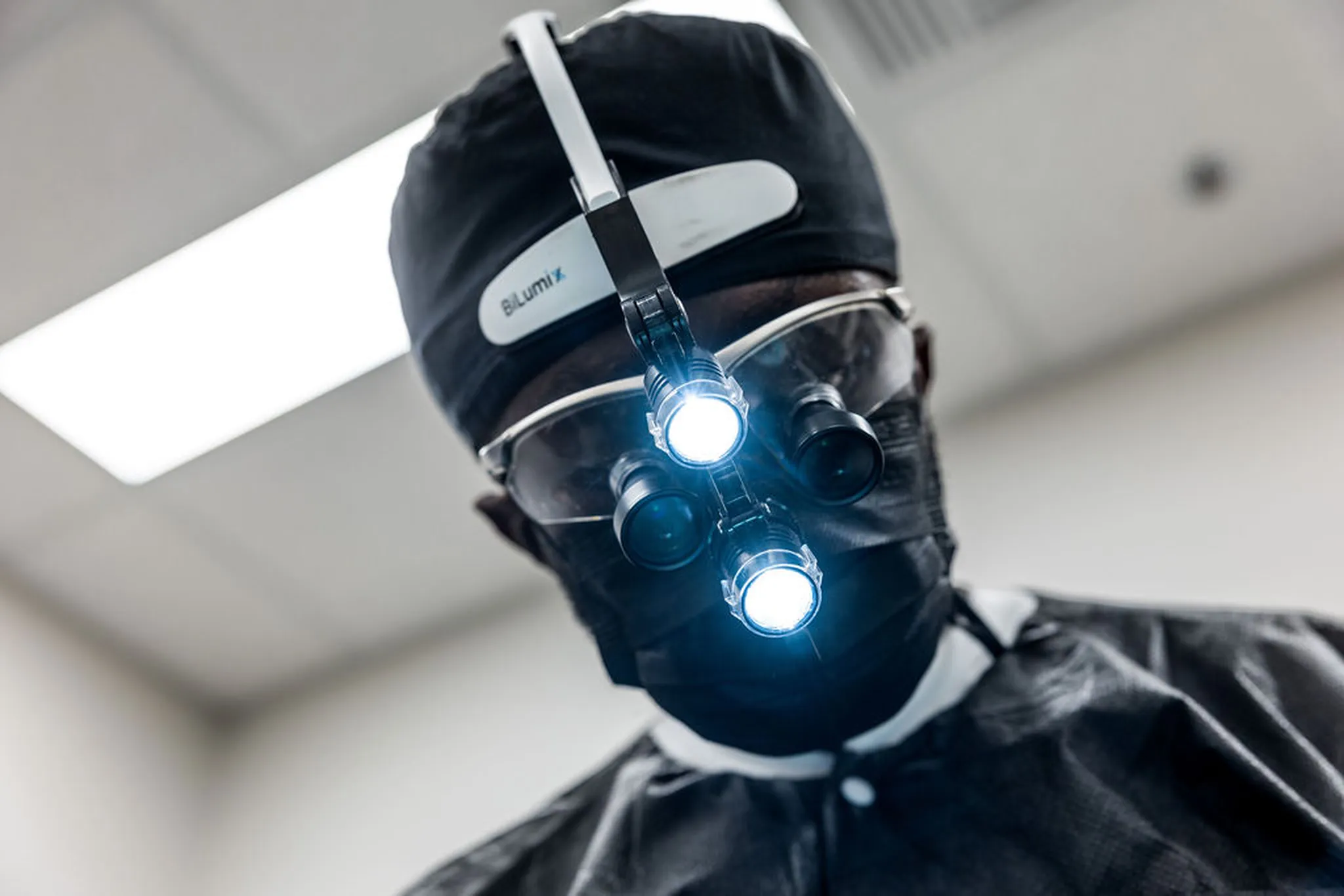
Correction cases are more complex than first-time veneers, and we will be straight about what is involved. What we will not do is make it worse to make it fast.
What to bring.
None of it is required. All of it helps.
- Records
- Any X-rays, treatment notes, or invoices from whoever did the work, including clinics abroad. Ask them for copies.
- Materials
- What you were told the veneers are made of. Porcelain, composite, and pre-made shells are corrected differently.
- Timeline
- When the work was done and when each problem started.
- Photographs
- Your smile before the work, if you have them. They help rebuild proportions that were lost.
If the work was done by someone without a dental license, you can report it to the Georgia Board of Dentistry. That is your choice, and it has no bearing on your care here. What Georgia law says about veneer techs.
Veneer correction questions.
Call or text (404) 383-4574 if yours is not here.
Can botched veneers be fixed?
Usually, yes. What is possible depends on how much healthy tooth is left underneath, and only an exam and X-rays can show that. The options run from adjusting and re-bonding, to replacing the veneers, to crowns where teeth were cut down heavily.
How much does it cost to fix bad veneers?
It is quoted after X-rays and an exam, because what is salvageable decides the plan. You get the full price in writing before anything starts. For reference, a first-time full-arch case is $8,999; corrections can be less or more than that.
My veneers were done abroad. Can you work on them?
Yes. Work done in Turkey, Mexico, Colombia, or anywhere else is evaluated the same way. Bring whatever records you have. Teeth filed down to pegs were prepared for crowns, not veneers, and that narrows the options, but the first step is the same exam.
A veneer tech did mine. Will I be judged?
No. You will get X-rays, an honest read on what is salvageable, and a written plan with a price. Nobody here is going to lecture you about how you got there.
Do all the veneers have to come off?
Not always. If some are sound and the problem is isolated, only the failing ones are replaced. If the shade, the shape, or the bite is wrong across the whole set, replacing them together gives a result that matches.
How soon should I be seen?
Soon, if there is pain, swelling, a loose veneer, or gums that bleed. Decay and infection under porcelain progress where you cannot see them. If the only concern is how they look, there is no emergency, and you can take your time choosing who fixes them.