Veneer shade,matched to you.Not to a chart.
The right veneer shade depends on your skin tone and undertone, because the same porcelain reads differently against every face. Most shades get picked off a chart held against the teeth alone. Pick your tone, tap a shade, and slide the translucency to see why that falls short.
- 01Your skin toneUndertone Wrist veins look blue: cool. Green: warm. Can’t tell: neutral.
- 02Pick a porcelain shade Or tap a tab in the picture.
- 03
This approximates how value and cast interact. In the chair we do it with physical shade tabs against your skin, in daylight-balanced light, photographed for the lab.
Pick your shade in daylightThe veneer shade chart, in plain terms.
Dental shades run from bleach whites that do not exist in nature to the warm tones most adult teeth actually are. These are the six most people choose between.
Shade names follow the VITA classical and bleach guides used by dental labs. A screen can only approximate porcelain; the decision is made with physical tabs in daylight.
Three decisions most providers skip.
A shade code on a lab form is one number. A face needs three.
- 01
Undertone before shade
Warm, cool, or neutral undertones change how one shade reads. A tab that flatters one face reads chalky and flat on another. We test shade tabs against your skin in daylight-balanced light, not just against your teeth.
- 02
Value and translucency, specified
Natural enamel is not opaque. Too sheer goes gray and dull; too opaque goes denture-flat. We specify the translucency with the ceramist layer by layer. That is what the word custom is supposed to mean.
- 03
The gum line is part of the design
Margin placement and the transition at the gum are planned, not left to chance, so the porcelain meets the tissue and disappears. Every case is photographed to hold us to it.
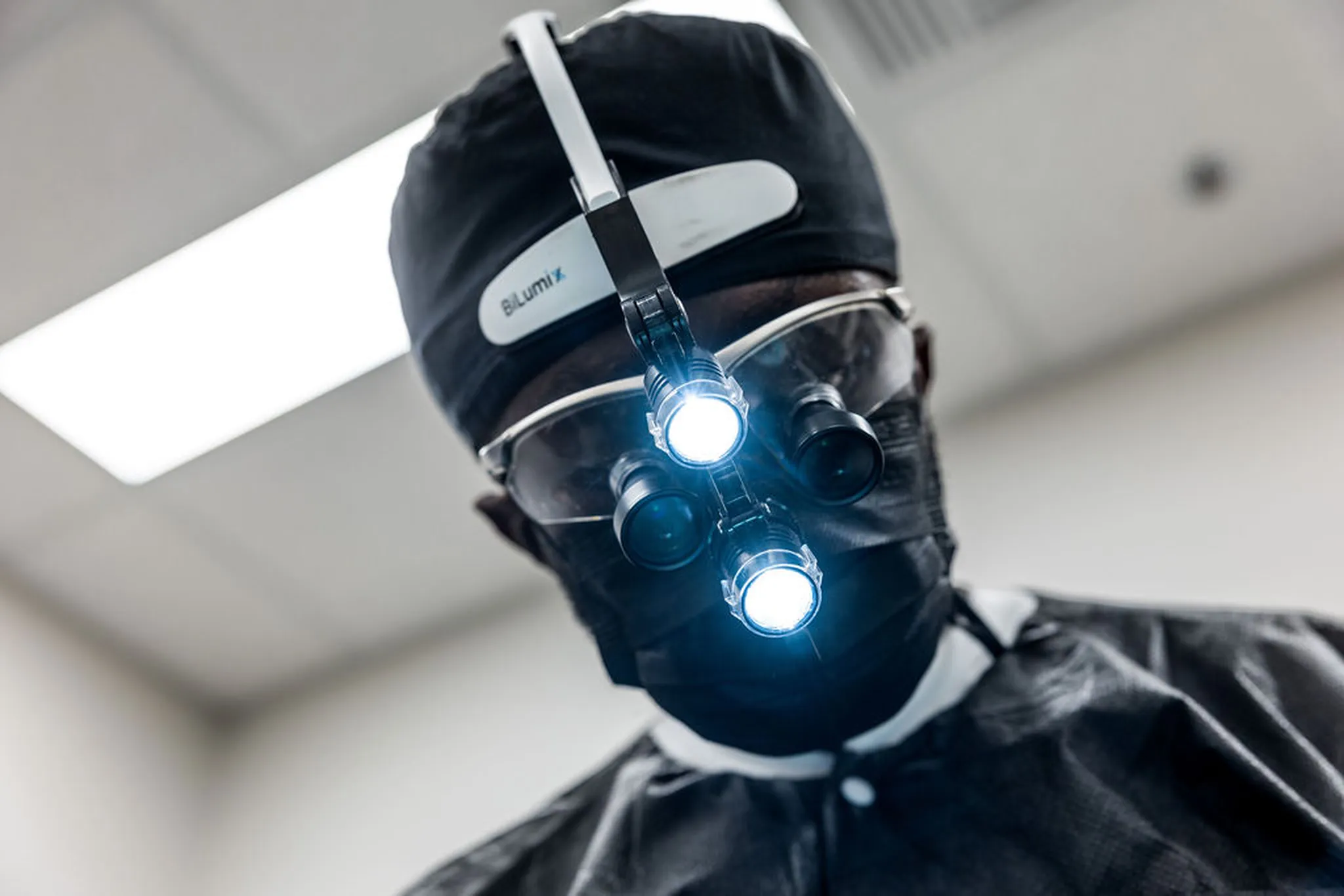
Daylight does not lie. A shade that looks right under an operatory lamp and wrong on the sidewalk is wrong. So the tabs go against your skin by the window, and the photographs go to the lab with the color calibrated.
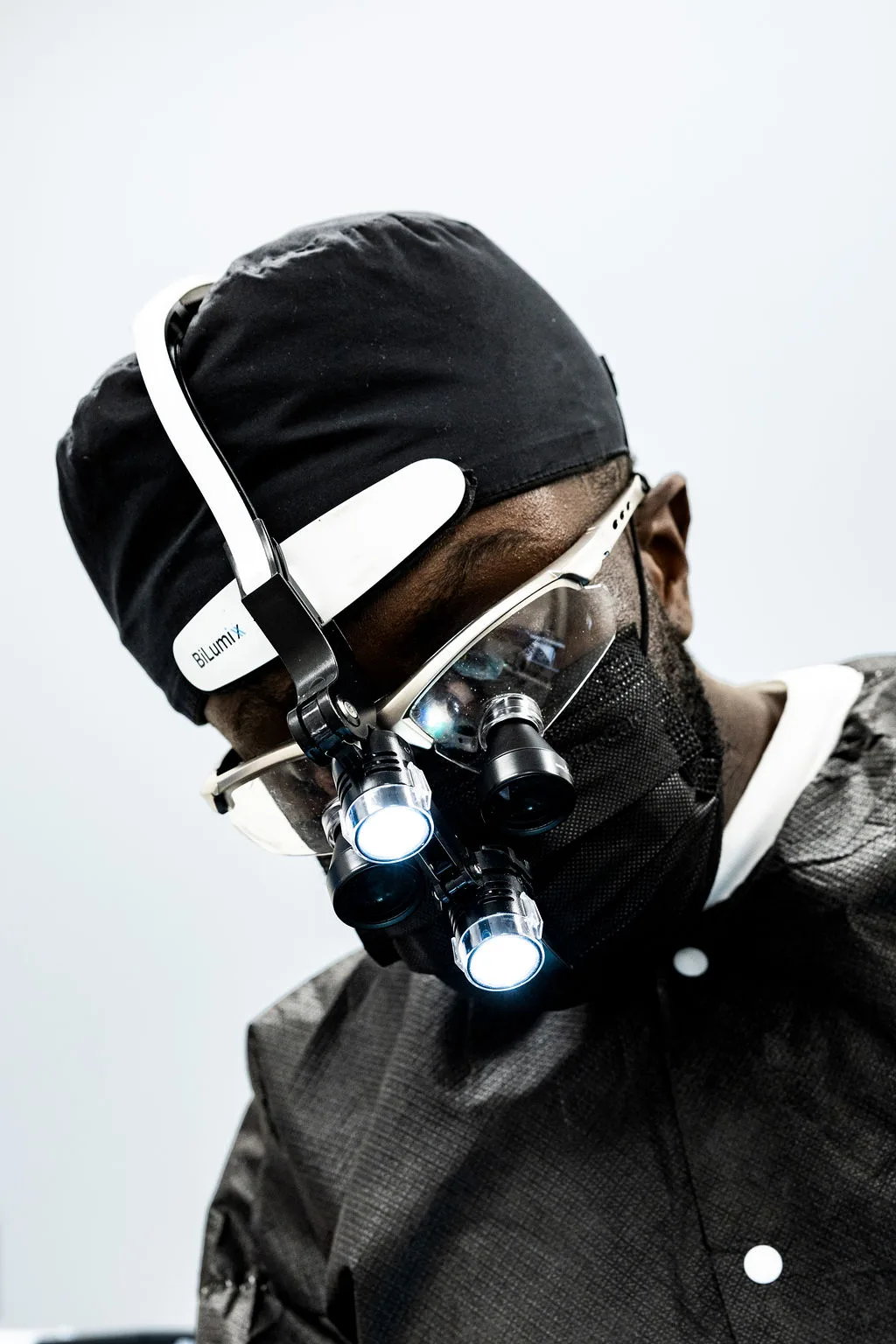
The lab sees what we see.
Every case is documented in color-calibrated photography — full face, smile, macro — so the ceramist is working from your face, not from a shade code on a form.
Then the design is proven twice before porcelain exists: a wax-up you hold, and trial temporaries you wear in real life. If the value is wrong in daylight, we change the design, not your expectations.
Veneer shade questions.
What veneer shade looks most natural?
For most people, B1 or A1: the brightest shades that occur in natural teeth. Bleach shades (BL1 to BL4) are brighter than any natural enamel. They can look striking, but they read as a decision, not as your own teeth.
Which veneer shade suits my skin tone?
It depends on contrast and undertone. Deeper skin makes any shade read brighter by contrast, so a step softer often looks more natural than the top of the chart. Cool undertones tend to suit neutral whites, and warm undertones suit shades with a little warmth in them. The studio above shows the effect; daylight and real shade tabs settle it.
Should veneers be whiter than the whites of my eyes?
A common rule of thumb says teeth brighter than the whites of your eyes start to look artificial. It is a guide, not a limit. Some patients go brighter on purpose, and that is their call once they have seen it on their own face.
Can I change the shade after veneers are placed?
No. Porcelain does not respond to whitening, and changing the shade means replacing the veneers. That is the reason the shade is tested on trial temporaries, in your real life, before any porcelain is made.
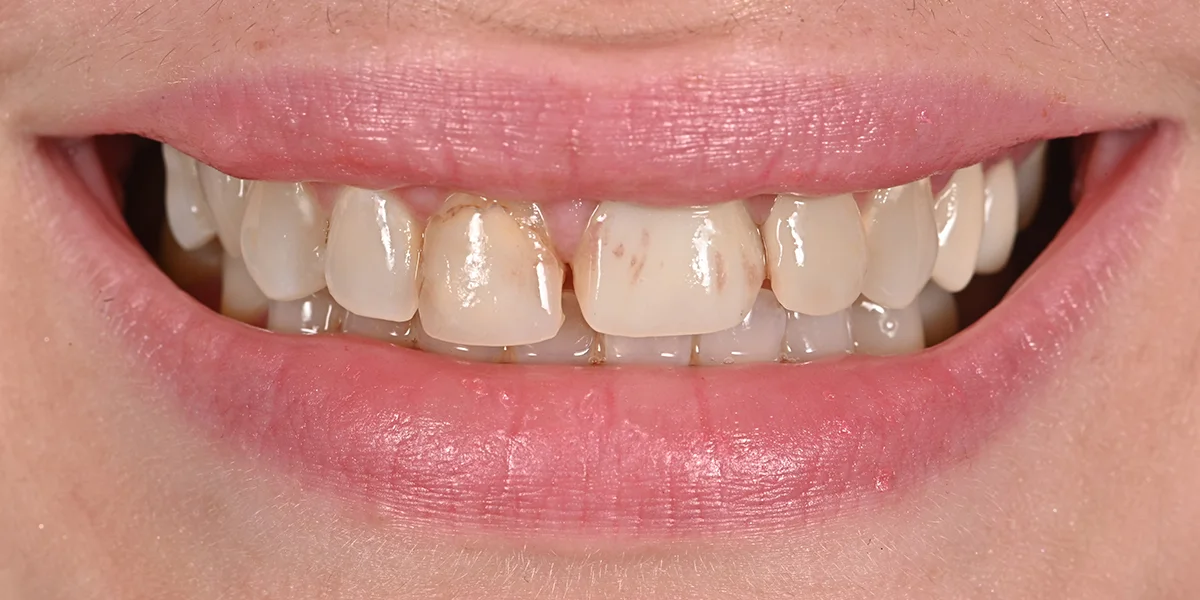
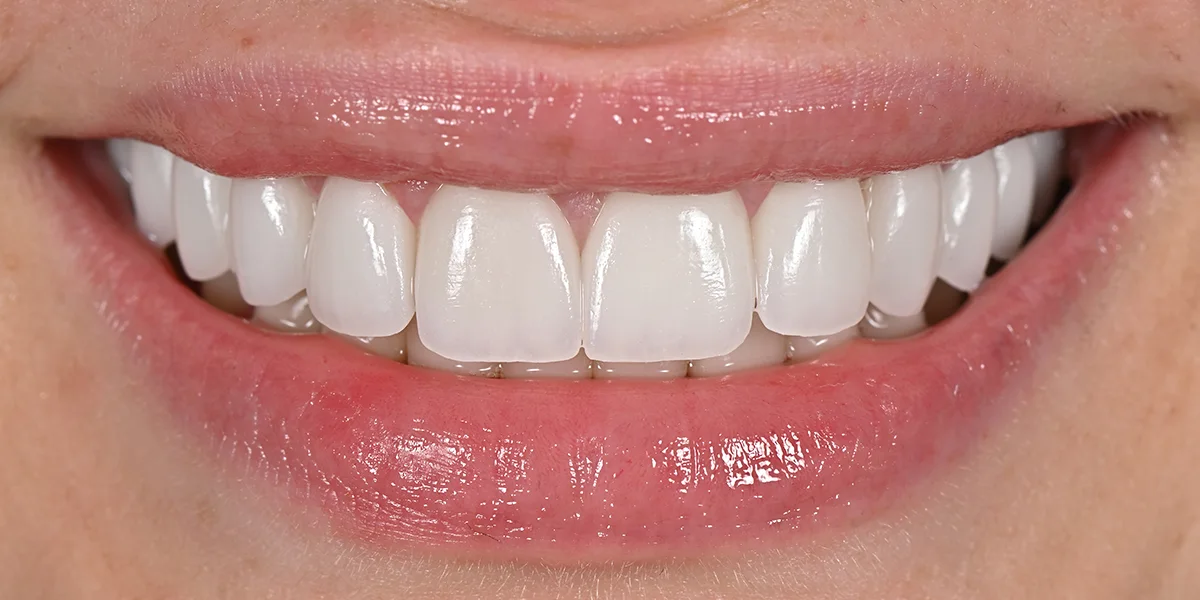
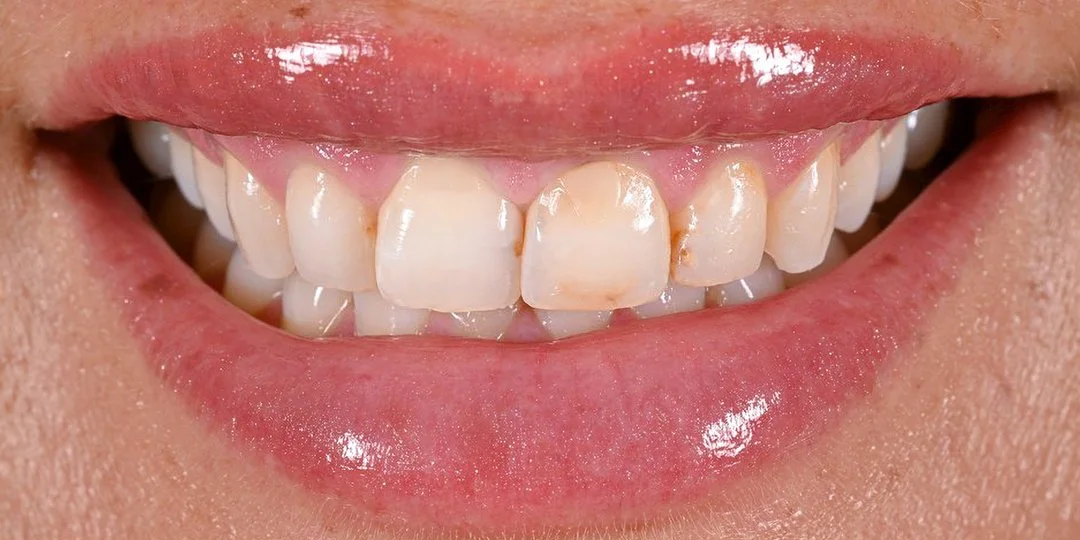
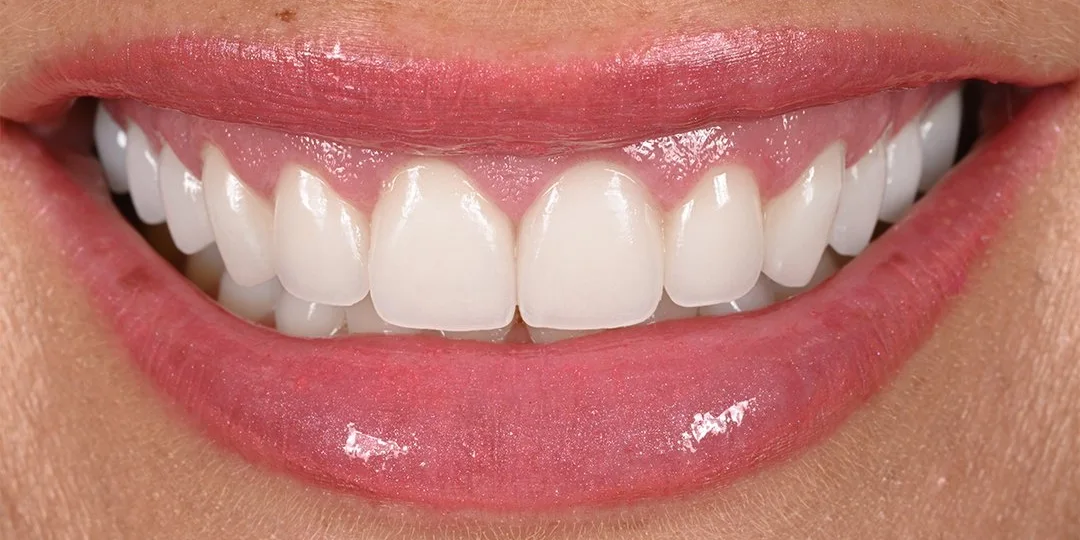
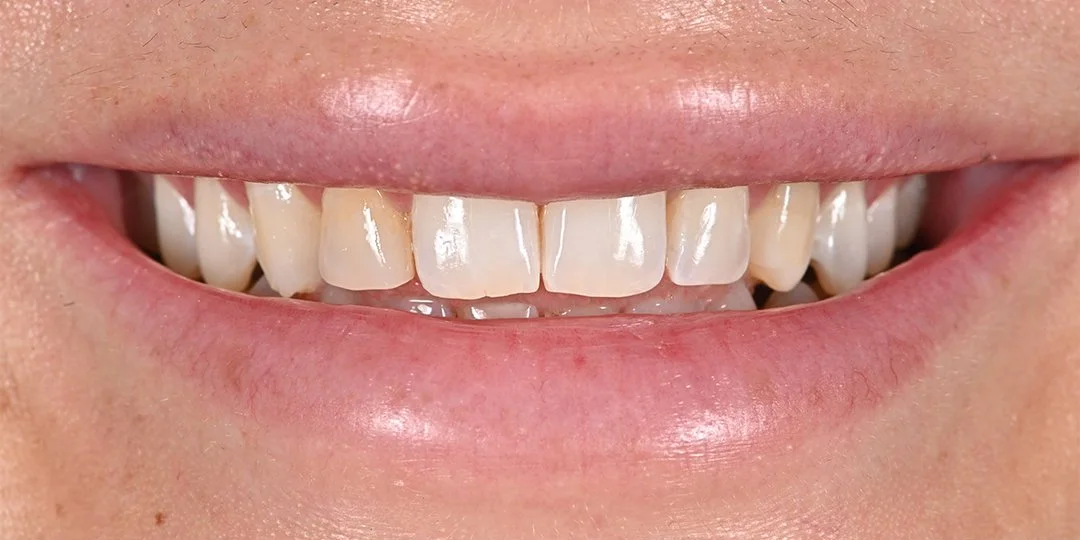
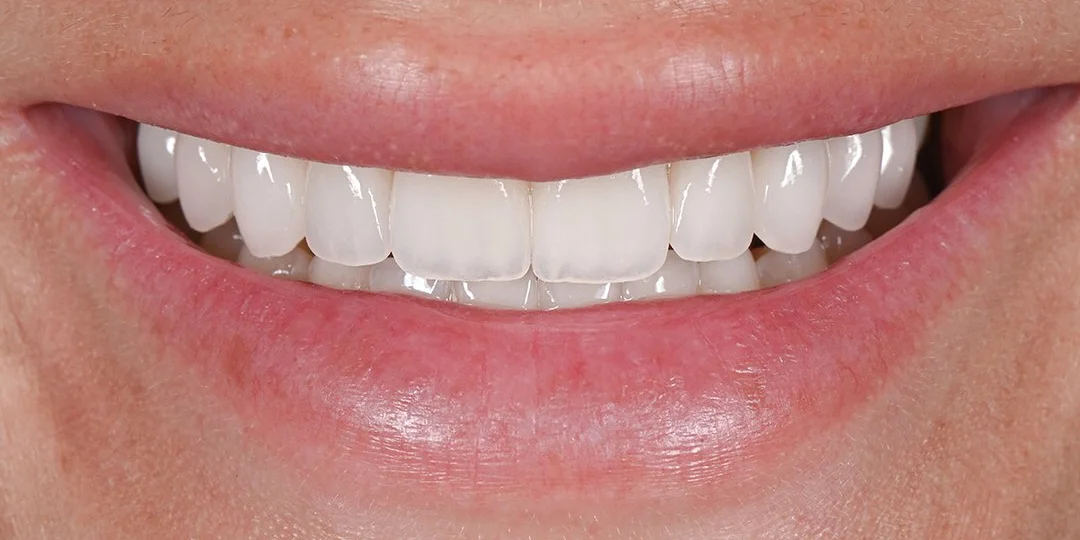
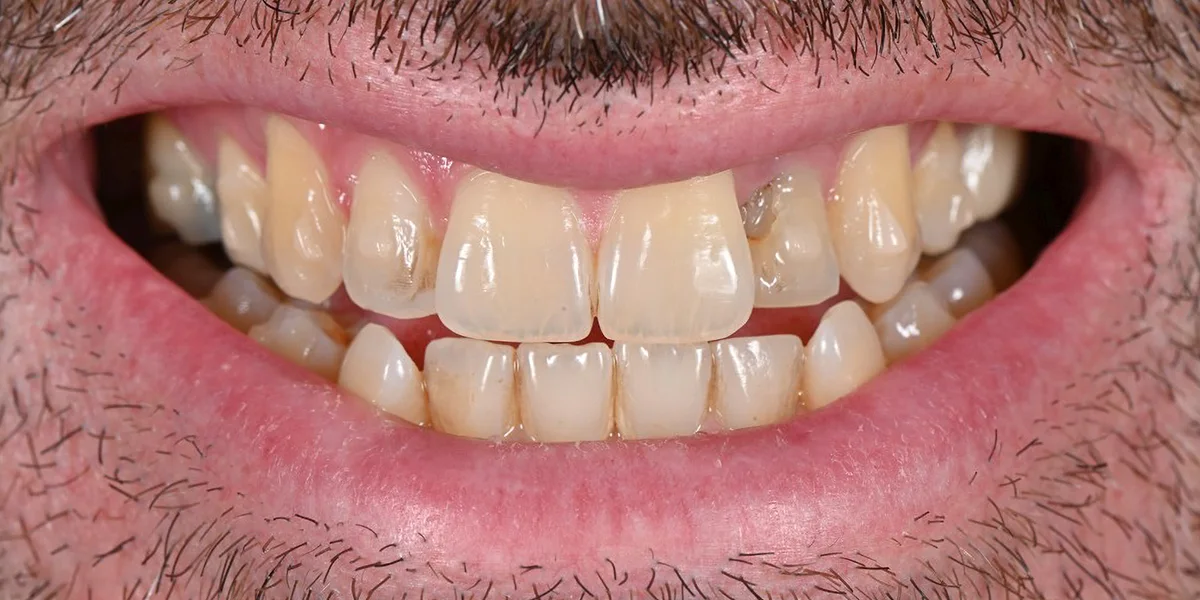
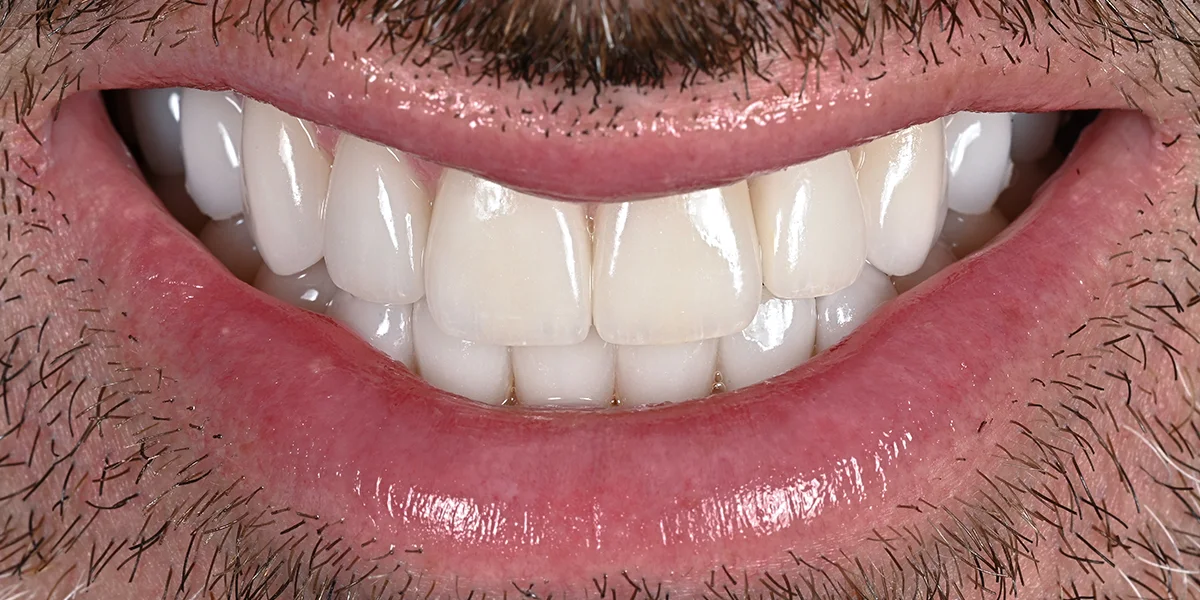
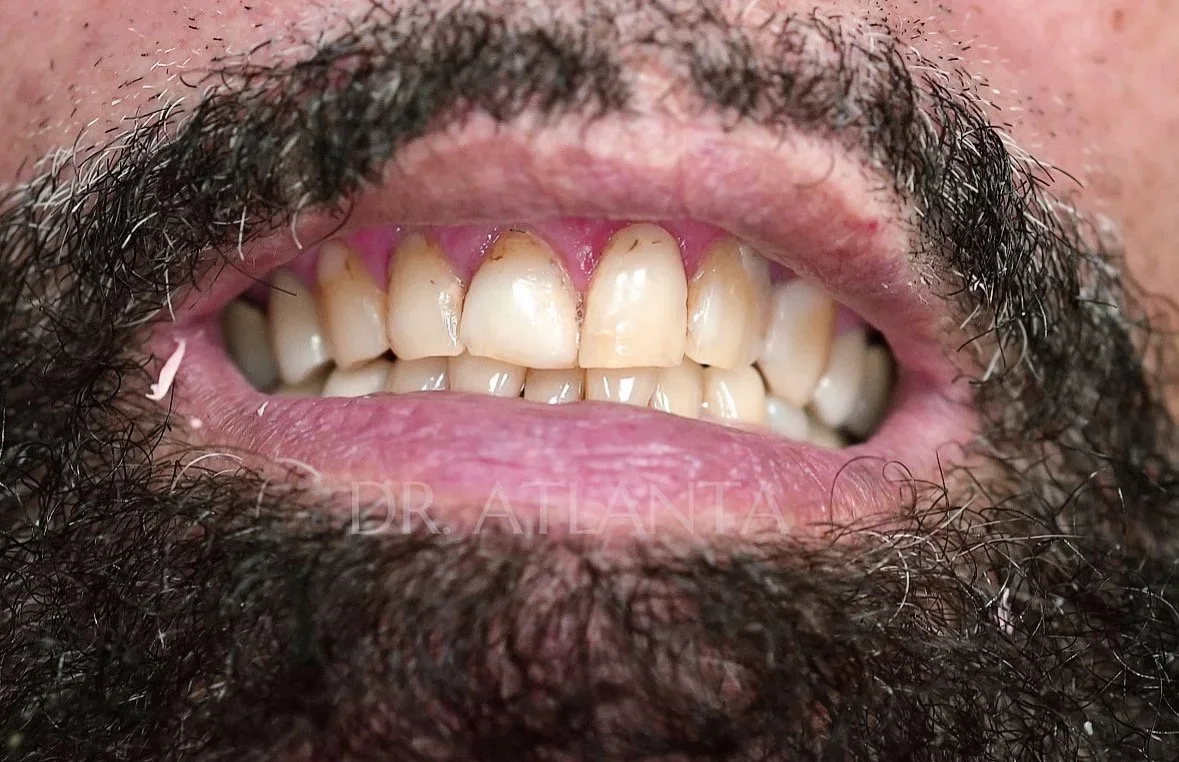
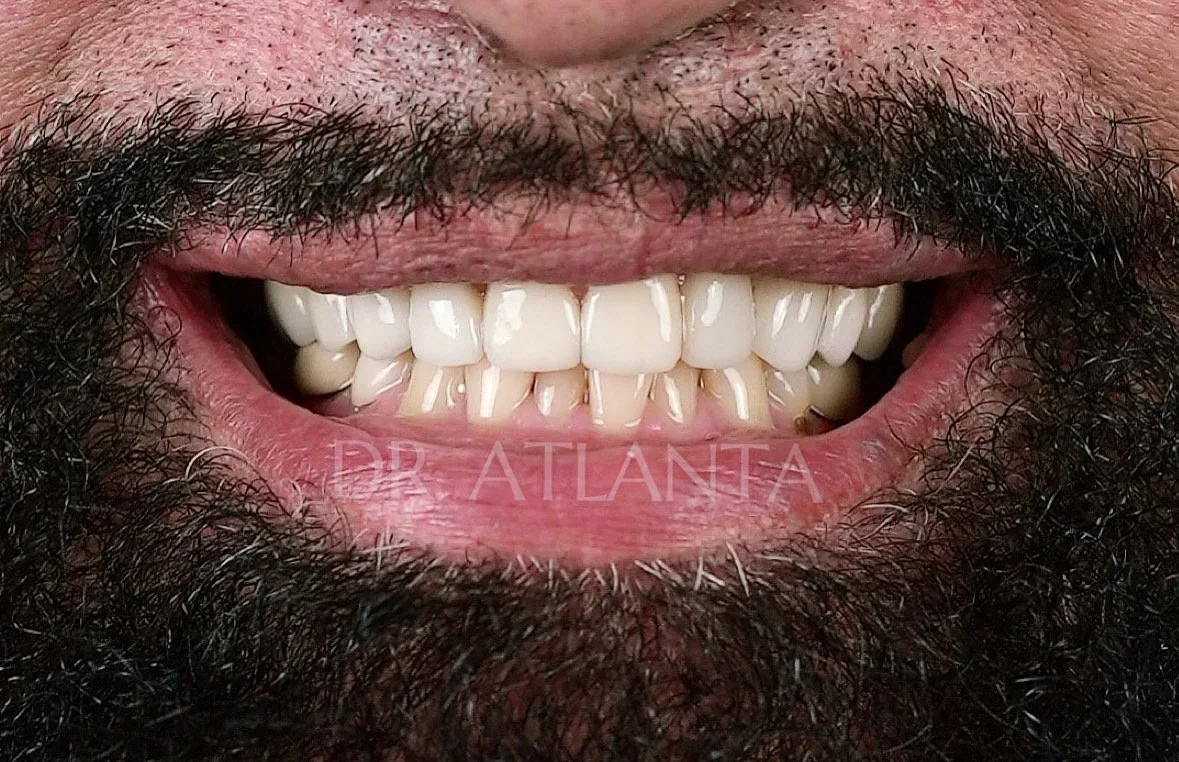
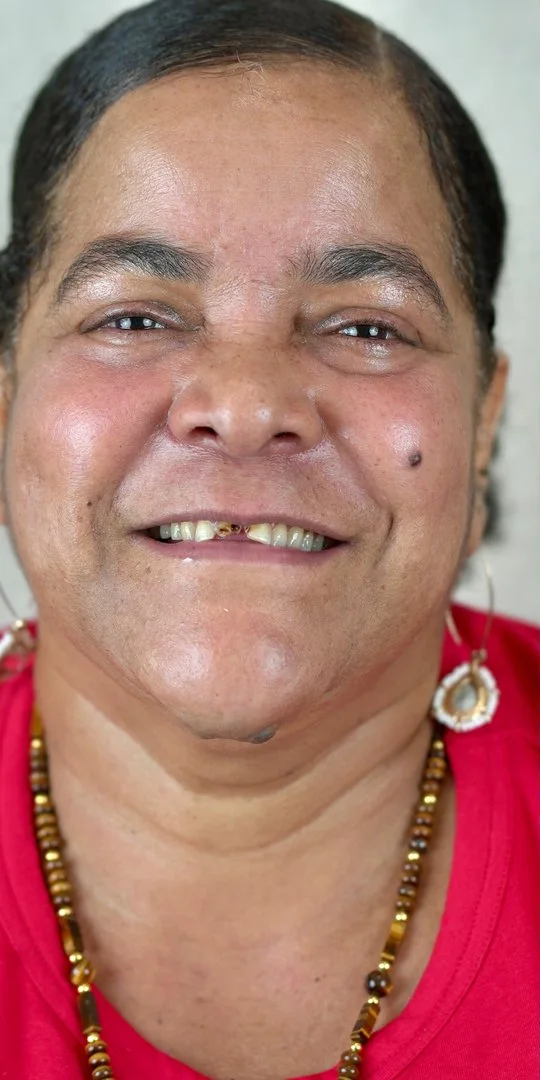
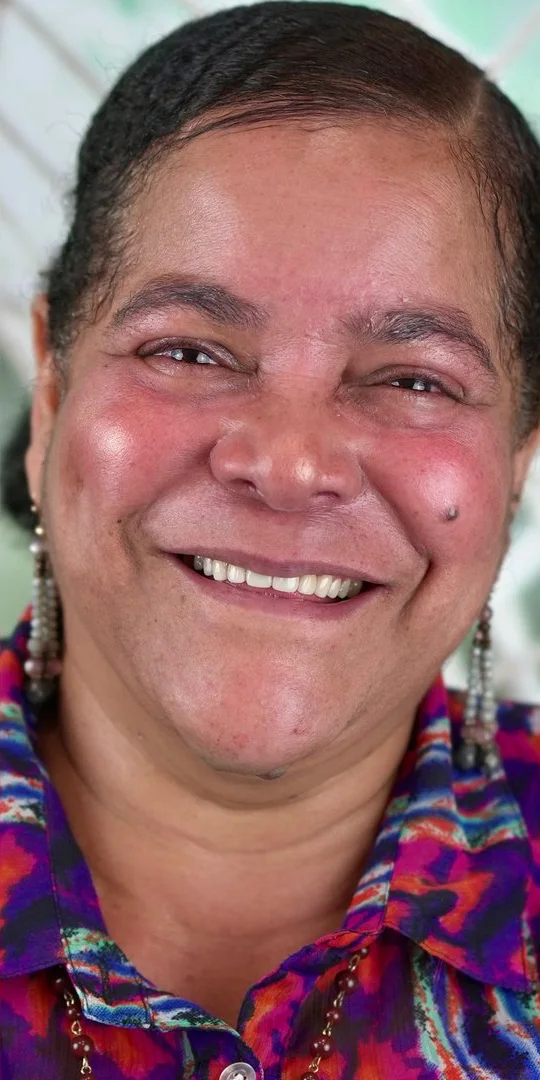
Cases across skin tones. Each one shows its before.